

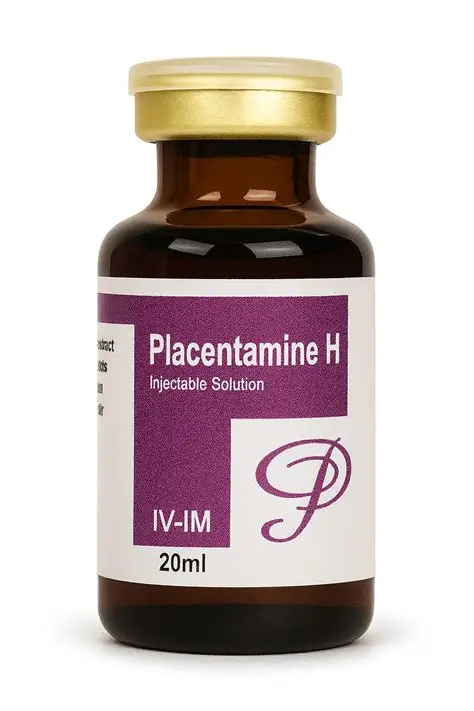
Placentamine H Injection (20ml) for Elite Animals: A Deep Clinical Guide to Cellular Regeneration, Tissue Repair, and Metabolic Recovery
In high-stakes competitive equine, camelid, and canine disciplines, physiological recovery separates the elite animal from the rest. The extreme metabolic demands of racing, showjumping, eventing, and long-distance camel racing push biological systems to their absolute limits. Muscle fiber micro-tearing, glycogen depletion, localized inflammation, and systemic oxidative stress are constant hurdles for trainers and veterinarians alike.
While traditional recovery methods focus on hydration and simple electrolyte replenishment, modern veterinary medicine leverages bioactive, tissue-regenerative therapies. Placentamine H Injection (20ml) represents a sophisticated biological intervention designed to stimulate cellular repair, accelerate recovery, and support systemic vitality.
By delivering a targeted complex of purified placental extracts, essential amino acids, key B-vitamins, and metabolic cofactors directly into the circulation, Placentamine H bypasses the limitations of gastrointestinal absorption. This clinical reference guide provides an exhaustive analysis of Placentamine H, detailing its pharmacology, therapeutic indications, dosage protocols, and international regulatory considerations.
1. Clinical Composition, Pharmacology, and Molecular Biology
Placentamine H is a sterile, highly purified biological preparation designed for veterinary administration. To understand its therapeutic efficacy, we must analyze its active components and how they interact on a cellular level.
The Synergistic Formulation
Placentamine H does not rely on a single active molecule. Instead, it utilizes a highly refined, sterile biological complex:
[Purified Placental Extract] ---> Contains endogenous growth factors & cytokines
[L-Amino Acid Complex] --------> Direct building blocks for protein synthesis
[Cobalamin & B-Complex] -------> Essential cofactors for cellular energy (ATP)
Purified Placental Extract: This serves as the biological foundation of the formula. Processed under strict laboratory conditions to eliminate immunogenic proteins, this fraction is exceptionally rich in naturally occurring peptides, low-molecular-weight nucleic acids, and endogenous signaling molecules.
Growth Factors and Cytokines: Within the placental matrix lie trace amounts of transforming growth factors, fibroblast growth factors, and hepatocyte growth factors. These molecules act as chemical messengers that bind to target cell receptors, triggering intracellular cascades that promote cell survival, tissue repair, and microvascular development.
Crystalline L-Amino Acids: The inclusion of pharmaceutical-grade amino acids ensures that when cells are stimulated to repair, they have an immediate pool of protein building blocks. This prevents muscle catabolism (muscle wasting) during periods of heavy training or illness.
Active B-Vitamin Group (Cofactors): Standard cellular repair demands a massive amount of metabolic energy. The integrated B-vitamin group (including Vitamin B12, B6, and B3) fuels the citric acid cycle, ensuring mitochondrial efficiency remains high during periods of systemic stress.
Molecular Mechanisms of Cellular Repair
When an animal experiences intense exertion, skeletal muscle tissue suffers microscopic damage, and systemic nitrogen balances shift negatively. The biological pathways activated by Placentamine H target these issues:
Ribosomal Protein Translation: Once administered, the amino acids and placental peptides are rapidly cleared from the bloodstream by metabolically active tissues. These compounds stimulate the mammalian target of rapamycin (mTOR) pathway, which upregulates ribosomal activity, speeding up the translation of structural proteins like actin and myosin.
Reduction of Cellular Senescence and Apoptosis: The bio-peptides in Placentamine H help neutralize intracellular reactive oxygen species (ROS) produced during exhaustive muscular work, protecting cells from premature death and maintaining tissue integrity.
Nitrogen Retention Optimization: By providing pre-formulated amino acids alongside growth-stimulating factors, the body’s nitrogen balance is maintained in a positive state, which is crucial for building and preserving lean muscle mass.
2. Therapeutic Indications: Equine, Camelid, and Canine Medicine
Placentamine H is widely used across several mammalian species. Its unique restorative profile makes it highly versatile, helping veterinarians address a range of performance barriers and systemic issues.
Equine Performance and Recovery (Horses)
In competitive equestrian sports—including Thoroughbred racing, endurance riding, showjumping, and dressage—horses face intense physical strain. Common clinical indications for Placentamine H in equine medicine include:
Overtraining Syndrome (OTS): Horses experiencing chronic exhaustion, poor appetite, dull coats, and a sudden drop in performance find support through Placentamine H’s metabolic action.
Post-Infectious Convalescence: Following respiratory infections (such as equine influenza or herpesvirus) or gastrointestinal issues, Placentamine H helps accelerate the return to optimal body condition by supporting tissue repair and stimulating appetite.
Muscle Soreness and Exertional Rhabdomyolysis (Tying-Up): Used as an auxiliary therapy alongside standard hydration and electrolyte protocols, Placentamine H speeds up the clearance of metabolic waste from damaged muscle cells and supports tissue recovery.
High-Performance Camelids (Racing Camels)
In the Middle East and North Africa, camel racing is an elite, high-intensity sport where modern veterinary medicine is essential. Camels are uniquely adapted to endurance but face extreme oxidative stress and dehydration during long-distance training.
Sarcopenia and Muscle Atrophy prevention: Because racing camels are subjected to prolonged, low-intensity endurance training, they are highly prone to muscle breakdown. Placentamine H helps maintain healthy muscle tissue during demanding schedules.
Metabolic Stabilization: Camels require efficient glucose utilization over long distances. The cofactors in Placentamine H support hepatic gluconeogenesis (how the liver produces glucose), helping maintain stable energy levels.
Canine Athletics (Greyhounds and Working Dogs)
For athletic canines, such as racing greyhounds, agility dogs, and working military canines, physical demands require rapid tissue recovery:
Tendinitis and Ligament Support: Canines frequently suffer micro-tears in their tendons and ligaments due to explosive, high-speed starts. The tissue-regenerative properties of Placentamine H help support structural healing.
Anemia and Red Blood Cell Support: The highly bioavailable B-vitamin components assist erythropoiesis (red blood cell production), helping maintain excellent oxygen-carrying capacity.
3. Cellular Recovery, Tissue Regeneration, and Metabolic Stimulation
To fully understand the benefits of Placentamine H, we must look at how it influences tissue biology and systemic metabolism.
Mitochondrial Function and ATP Production
At the heart of athletic performance is the mitochondrion, the cell’s power plant. During aerobic and anaerobic respiration, cells require adenosine triphosphate (ATP) to drive muscular contraction:
The metabolic cofactors in Placentamine H help optimize this process:
Coenzyme Support: Nicotinamide and related B-vitamins serve as precursors for NAD+ and NADH, which are essential for electron transport within the inner mitochondrial membrane.
Lactic Acid Buffering Support: By improving mitochondrial efficiency, cells can process pyruvate more effectively, helping reduce the buildup of lactic acid in skeletal muscles and delaying the onset of fatigue.
Microvascular Neovascularization (Angiogenesis)
Healthy blood flow is vital for tissue healing. The endogenous growth factors within Placentamine H support angiogenesis—the formation of new microvascular networks from existing blood vessels:
Endothelial Stimulation: Growth factors trigger local vascular endothelial cells to divide and migrate toward areas of tissue micro-damage.
Improved Oxygenation: As new micro-capillaries develop, oxygen and nutrient delivery to recovering muscle groups is enhanced, helping prevent chronic stiffness and reducing overall recovery times.
Efficient Waste Removal: Enhanced microvascular networks speed up the clearance of metabolic waste products (such as urea and carbon dioxide) from the tissues.
4. Comprehensive Administration, Dosage Protocols, and Calculations
Administering biological therapeutic agents like Placentamine H requires strict attention to sterile technique and precise dosage calculations to ensure both safety and efficacy.
Dosage Calculations by Species and Weight
While exact protocols should be tailored by a veterinary professional, the following table outline standard reference dosages for Placentamine H:
For a standard performance horse weighing 500 kg, a 10 ml dose represents:
For a high-performance greyhound weighing 32 kg:
Step-by-Step Administration Protocol
Route of Choice: Placentamine H is typically administered via deep intramuscular (IM) injection or subcutaneous (SC) injection, depending on the species and the veterinarian’s recommendation.
Sterile Handling: Clean the vial stopper with a sterile alcohol wipe before inserting the needle. Use a fresh, sterile 20G needle of appropriate length (typically 1.5 inches for horses and camels, or 1 inch for canines).
Site Selection:
Equine/Camelid: The lateral neck muscles or the pectoral muscles are preferred. Ensure proper restraint and clean the site thoroughly with chlorhexidine or isopropyl alcohol.
Canine: The subcutaneous space over the scruff or the lateral thigh muscles is recommended.
Slow Delivery: Inject the solution slowly over 10 to 15 seconds to minimize localized pressure and tissue irritation.
5. Safety Profile, Contraindications, and Advisory Precautions
Although Placentamine H is designed to be highly biocompatible, utilizing natural biological pathways, proper clinical safety protocols must be followed.
Potential Side Effects
Localized Tissue Reactions: As with any injectable therapy, some animals may show minor, temporary swelling, warmth, or sensitivity at the injection site. This typically resolves without intervention within 24 to 48 hours.
Transient Hypersensitivity: In very rare instances, an animal may show a mild hypersensitive reaction to biological extracts. Monitoring the animal for 30 minutes post-injection is a standard safety practice.
Systemic Changes: A temporary warming of the skin or a brief period of mild lethargy followed by increased energy may occur as the active compounds enter systemic circulation.
Absolute Contraindications
Active Neoplasia (Cancer): Because Placentamine H contains natural cell growth factors, it should not be administered to animals with known or suspected active tumors, as growth-promoting compounds can stimulate neoplastic tissue.
Severe Untreated Sepsis: In animals suffering from acute bacterial blood infections, systemic metabolic stimulants must be avoided until the underlying infection is controlled with appropriate antibiotic therapy.
Hypersensitivity: Do not use in animals with a known history of sensitivity to biological or placental extracts.
6. International Regulatory Landscape and Competition Clearance
For trainers and veterinarians operating on a global scale, staying compliant with international drug rules is critical. Different countries and sports governing bodies have specific guidelines regarding biological metabolic therapies and withholding times.
| Country / Region | Regulatory Authority | Legal Category | Competition Clearance Advice |
| United States | FDA / State Racing Commissions | Vet Prescription Only | Generally prohibited on race day. Must be withdrawn according to state-specific therapeutic drug schedules (typically 72–96 hours prior to event). |
| Canada | Health Canada Veterinary Directorate | Controlled Veterinary Product | Check specific guidelines with the Canadian Pari-Mutuel Agency (CPMA) for clearance windows. |
| European Union | European Medicines Agency (EMA) | Strictly regulated biological | Must be recorded in the equine passport. Ensure compliance with zero-residue requirements if applicable to competition classes. |
| Australia | APVMA | Registered Veterinary Therapeutic | Must clear racing and competition withholding periods as defined by Racing Australia. |
| Mexico | SENASICA | Approved Veterinary Compound | Widely utilized in equine and livestock sectors under professional veterinary guidance. |
| The Netherlands & France | National Veterinary Authorities | Prescription Only | Subject to strict FEI (Fédération Equestre Internationale) testing protocols. Ensure complete withdrawal times are observed. |
7. Integrative Performance Nutrition and Synergistic Protocols
Placentamine H works most effectively when integrated into a well-rounded veterinary care plan that includes optimal nutrition, proper hydration, and targeted support therapies.
Synergistic Nutritional Strategies
High-Quality Dietary Protein: Ensure your animal’s diet includes premium protein sources with balanced amino acid profiles (such as lysine, methionine, and threonine). This provides the necessary building blocks to maximize the tissue-regenerating benefits of Placentamine H.
Electrolyte and Hydration Balance: Proper hydration is essential for efficient circulation. Always ensure performance animals have free access to clean water and balanced electrolytes, which helps the body clear metabolic waste products after intense exercise.
Trace Minerals: Incorporating essential trace minerals like zinc, copper, and manganese supports key enzyme systems involved in tissue repair and collagen synthesis, complementing the action of placental extracts.
8. Deep-Dive Frequently Asked Questions (FAQ)
What is the primary medical purpose of Placentamine H Injection?
Placentamine H is designed to support metabolic recovery, tissue regeneration, and cellular repair in performance animals. It helps restore biological vitality, especially when animals are recovering from intense physical exertion, overtraining syndrome, or illness.
Can Placentamine H be administered intravenously (IV)?
No. Placentamine H is formulated primarily for deep intramuscular (IM) or subcutaneous (SC) administration. Intravenous injection is not recommended unless specifically directed by a qualified veterinarian.
How often should Placentamine H be administered to horses in training?
Standard protocols vary depending on the animal’s workload and recovery needs. A common regimen involves one injection weekly during periods of intense training, or a short course of 3 to 5 injections spaced 48 hours apart during post-illness recovery. Always follow your veterinarian’s specific guidance.
Are there any withholding periods for competitive racing?
Yes. Because it contains biological extracts and metabolic cofactors, performance animals subject to drug testing should have a designated withdrawal period before competing. This typically ranges from 72 hours to several days, depending on the rules of the specific racing jurisdiction (FEI, APVMA, CPMA, or local racing commissions).
How should a 20ml vial of Placentamine H be stored?
Store Placentamine H in a cool, dark place away from direct sunlight, ideally at a controlled temperature between 15°C and 25°C. Avoid freezing, and always discard any unused portion after the vial’s recommended sterile shelf life once punctured.
Does Placentamine H help with equine “tying-up” (exertional rhabdomyolysis)?
Yes. While it is not an acute, immediate treatment for an active episode of tying-up, it serves as an excellent recovery therapy. Its rich blend of amino acids, growth factors, and B-complex vitamins helps repair damaged muscle tissue and supports muscle health after an episode has resolved.
Can Placentamine H be used in pregnant mares or camels?
While placental extracts are naturally biocompatible, any therapy administered during pregnancy should be carefully managed. Consult your veterinarian to evaluate the benefits and necessity before administering Placentamine H to pregnant animals.
9. Summary & Best Practices for Global Vet Care Customers
Placentamine H Injection (20ml) is a highly effective, professional-grade biological therapy designed to support cellular repair and metabolic recovery in performance animals. By delivering a concentrated blend of placental extracts, amino acids, and essential cofactors directly to the tissues, it helps elite equine, camelid, and canine athletes recover quickly and maintain their peak physical conditioning.
For optimal results, ensure precise dosing based on your animal’s weight, use proper sterile injection techniques, and coordinate therapy with your local competition’s withdrawal guidelines. Keep your athletes performing at their absolute best with trusted, premium veterinary solutions from Global Vet Care.
BUY PLACENTAMINE H 20ml Peptic Ulcer Guide: Causes, Symptoms and Treatment Options
This probably makes the lining vulnerable. But only a minority of people infected with H. pylori develop ulcers. Another common cause of ulcers is the use of nonsteroidal anti-inflammatory drugs (NSAIDs). Examples of NSAIDs include aspirin , BUY PLACENTAMINE H 20ml
BUY PLACENTAMINE H 20ml Peptic Ulcer Guide: Causes, Symptoms and Treatment Options
This probably makes the lining vulnerable. But only a minority of people infected with H.


























Reviews
There are no reviews yet.