

High-Conversion Product Short Description (approx. 700 Words)
Addressing the Allergy Explosion: Advanced Immunological Research Compounds
In contemporary veterinary science, managing acute hypersensitivity reactions has become a top priority for researchers worldwide. Modern domestic, agricultural, and commercial animal models are experiencing what can only be described as an allergy explosion—a massive, documented rise in hyper-reactive immune responses triggered by environmental pollens, modern dietary proteins, insect venoms, and chemical antigens. When an animal’s immune system encounters a foreign protein it deems hostile, it initiates a rapid, aggressive cascade of immunoglobulins, specifically targeting mast cells and basophils. This profound immune system overreaction can lead to severe physiological disturbances, ranging from chronic, debilitating atopic dermatitis to life-threatening anaphylactic shock.
At Global Vets Care, we provide specialized, high-purity research compounds engineered to help veterinary laboratories map out, analyze, and safely counteract these severe hypersensitivity events. Our analytical-grade molecules are specifically synthesized to interface cleanly with the cellular signaling pathways responsible for histamine release, cytokine storms, and localized tissue inflammation. By eliminating the structural impurities and heavy metals found in lower-grade supplies, our products allow researchers across the United States, Canada, Europe, and Australia to generate completely pristine, reproducible data.
True Stability and Data Certainty for Global Research
When analyzing sudden systemic immune explosions in equine, canine, or feline models, the absolute integrity of your research material is paramount. Minor structural degradation or unexpected bacterial endotoxins within a compound can inadvertently trigger a secondary immune response, completely ruining your experimental controls. Global Vets Care prevents this by subjecting every production batch to intensive High-Performance Liquid Chromatography (HPLC) and Mass Spectrometry (MS) verification.
Guaranteed >99% Chemical Purity: Rest assured that your trials measure pure chemical interactions, free from truncated peptide chains or synthesis anomalies.
Advanced Lyophilization Matrix: Preserves molecular configurations through variable transit conditions, maintaining full potency during global shipping.
Rigorous Endotoxin Controls: Every batch is confirmed to sit far below standard thresholds, ensuring no baseline pyrogenic interference occurs in your subjects.
Unlocking the Cellular Pathogenesis of Hypersensitivity
The modern veterinary research landscape is highly focused on understanding how standard environmental exposures transform into severe, full-body inflammatory reactions. When an allergen enters an animal’s system, it bridges specific IgE antibodies bound to the surfaces of mast cells. This microscopic event causes immediate degranulation, releasing a wave of pre-formed inflammatory mediators into the surrounding tissue. The resulting physiological impact is swift: rapid vasodilation, profound mucosal edema, smooth muscle contraction, and intense pruritus.
By introducing the clean, highly targeted research agents supplied by Global Vets Care, your laboratory can accurately study the exact mechanics of this response. Whether you are mapping out the mitigation of early-stage facial swelling, investigating ways to prevent dangerous drops in blood pressure, or exploring long-term desensitization protocols, our products offer the reliable baseline needed for elite, publication-ready science. We handle the strict quality compliance so that your team can focus exclusively on discovering the next generation of veterinary immunological breakthroughs.
4. Advanced 2026 Comprehensive SEO Research Document (approx. 4,500 Words)
Introduction to the Global Rise in Veterinary Hypersensitivity
The global veterinary landscape is currently confronting a silent epidemic: a massive, unprecedented surge in immune-mediated hypersensitivity disorders across domestic, exotic, and commercial animal populations. Often termed the “allergy explosion,” this phenomenon has caught the attention of veterinary immunologists, pharmacologists, and clinical researchers in major scientific institutions worldwide. Historically, animal allergies were documented as minor, seasonal inconveniences—typically manifesting as mild, self-limiting skin irritations or occasional respiratory adjustments during peak pollination cycles. However, modern clinical data from the United States, Canada, the European Union, and Australia indicates a stark paradigm shift. Today, veterinary practitioners face complex, chronic, and highly aggressive immune pathologies that severely compromise animal welfare and challenge traditional treatment models.
This dramatic escalation in allergic disease is driven by a complex mix of environmental shifts, altered animal diets, and systemic industrial changes. Modern companion animals are exposed to a dense array of synthetic compounds, highly processed novel proteins, indoor dust mite accumulations, and atmospheric pollutants that keep the native immune system in a state of perpetual hyper-vigilance. Over time, this chronic exposure triggers a profound breakdown in natural oral and cutaneous tolerance. The animal’s immune system misidentifies entirely harmless environmental elements as lethal threats, setting off intense, destructive inflammatory cascades.
For research institutions investigating these pathways, finding highly stable, unadulterated chemical agents is an absolute necessity. At Global Vets Care, we recognize that to properly study the cellular mechanics of this modern allergy explosion, laboratories must have access to reference materials that meet the highest standards of international purity. Our specialized veterinary research compounds are engineered specifically to provide researchers in nations like Germany, France, the Netherlands, Spain, Mexico, and beyond with the precise molecular tools needed to analyze, track, and ultimately reverse these complex immunopathic conditions.
Cellular and Molecular Mechanics of the Allergic Explosion
To effectively design therapeutic interventions for modern animal hypersensitivities, researchers must first understand the precise biochemical chain reactions that govern an allergic response. The fundamental driver of this process is the Type I immediate hypersensitivity reaction, an immune event mediated primarily by Immunoglobulin E (IgE) antibodies.
Phase 1: The Sensitization Cascade
The path toward an allergic explosion begins long before the first visible symptom appears. When an animal with a genetic predisposition encounters a specific foreign protein—such as an airborne tree pollen grain or a dietary glycoprotein—antigen-presenting cells (APCs) ingest and process the molecule. These cells present the fragmented antigen to naive T-helper cells, driving their differentiation into specialized Th2 cells. The Th2 cells then release a highly specific profile of interleukins, primarily IL-4 and IL-13, which instruct B-lymphocytes to undergo class-switch recombination. This shift causes the B-cells to stop producing standard defense antibodies like IgG or IgM, and instead mass-produce allergen-specific IgE molecules.
These newly minted IgE antibodies quickly enter systemic circulation and bind with extreme affinity to high-affinity $Fc\epsilon RI$ receptors located abundantly on the outer membranes of tissue mast cells and circulating basophils. At this stage, the animal is fully sensitized; its immune system has primed a highly responsive, microscopic explosive charge, waiting for a subsequent exposure to trigger degranulation.
Phase 2: Receptor Cross-Linking and Immediate Degranulation
When the animal is re-exposed to the same offending allergen, the molecule binds directly to the variable regions of the IgE antibodies already anchored to the mast cell surface. If the allergen is large enough to bridge the gap between two adjacent IgE molecules, it forces a physical cross-linking of the underlying $Fc\epsilon RI$ receptors. This structural alignment instantly alters membrane permeability, triggering a rapid influx of extracellular calcium ($Ca^{2+}$) into the cytoplasm of the mast cell.
This sudden spike in internal calcium sets off an immediate, explosive exocytosis event. The membrane-bound intracellular granules within the mast cell rapidly fuse with the outer cell wall, dumping a massive wave of pre-formed chemical mediators directly into the surrounding extracellular matrix. The primary mediator released during this early phase is histamine, alongside secondary agents like serotonin, proteoglycans, and neutral proteases (such as chymase and tryptase).
Phase 3: The Arachidonic Acid Cascade and Delayed Inflammation
The immediate release of histamine is quickly followed by a secondary wave of lipid-derived mediators. The sudden influx of calcium activates the enzyme phospholipase $A_2$, which cleaves arachidonic acid directly from the cell’s membrane phospholipids. This free fatty acid is then metabolized via two primary pathways:
The Cyclooxygenase (COX) Pathway: Converts arachidonic acid into pro-inflammatory prostaglandins (primarily $PGD_2$), which drive intense, localized vasodilation and exacerbate tissue redness.
The Lipoxygenase (LOX) Pathway: Processes the acid into leukotrienes (specifically $LTC_4$, $LTD_4$, and $LTE_4$). Leukotrienes are incredibly potent compounds, exhibiting up to a thousand times the potency of histamine in inducing smooth muscle contraction and increasing vascular permeability.
This dual-wave chemical release explains why an allergic reaction escalates so rapidly. The initial histamine blast causes immediate itching, swelling, and redness, while the trailing leukotriene and prostaglandin wave cements long-term tissue inflammation, drawing secondary white blood cells into the area to prolong the distress.
Clinical Phenotypes Under Scientific Scrutiny
The systemic manifestation of the allergy explosion varies dramatically across different animal species. In veterinary research, mapping out these species-specific variations is crucial for translating laboratory findings into effective clinical therapies.
Canines: Atopic Dermatitis and the Shock Organ Paradigm
In dogs, the primary target of an allergic explosion is the cutaneous tissue. Canine atopic dermatitis is characterized by a structural defect in the outer skin barrier, allowing environmental allergens to easily penetrate the deep epidermal layers. This triggers a localized immune response driven heavily by Interleukin-31 (IL-31), a cytokine that acts directly on peripheral nerve endings to cause intense, unrelenting pruritus.
Furthermore, canines possess a highly distinct physiological response during full-blown systemic anaphylaxis. Unlike humans or guinea pigs, whose primary “shock organ” is the respiratory tract, a dog’s primary shock organ is the liver and gastrointestinal tract. A severe systemic allergic explosion causes massive constriction of the hepatic veins, leading to rapid blood pooling within the portal circulation. This results in sudden, severe vomiting, hemorrhagic diarrhea, profound low blood pressure, and rapid circulatory collapse, requiring immediate emergency intervention.
Equines: Culicoides Hypersensitivity and Recurrent Airway Obstruction
Horses present a completely distinct set of allergic challenges, frequently manifesting in the integumentary and respiratory systems. Insect bite hypersensitivity, colloquially known as “sweet itch,” is an intense allergic reaction to the salivary proteins deposited by biting midges (Culicoides species). Affected horses develop extreme hives, localized swelling, and severe skin damage along the mane and tail as they rub against fixed objects to find relief.
On the respiratory front, equines are highly susceptible to severe equine asthma, traditionally known as recurrent airway obstruction (RAO). When exposed to dust, mold spores, and airborne pollens inside modern stables, the horse’s lower airways undergo profound bronchoconstriction, accompanied by massive mucus hypersecretion and chronic smooth muscle remodeling. This severely restricts gas exchange, ending the animal’s athletic utility and causing permanent respiratory distress if left unmanaged.
Advanced Diagnostic Methodology and Research Models
To properly study the shifting patterns of the global allergy explosion, research laboratories must utilize advanced, highly standardized diagnostic frameworks. Historically, veterinary diagnostics relied on basic intradermal skin testing (IDST), where minute amounts of suspected allergens were injected into a shaved patch of skin to look for a wheal-and-flare reaction. While IDST remains a useful clinical indicator, modern molecular research demands much higher precision.
Today’s cutting-edge laboratories rely on allergen-specific IgE serology assays, utilizing monoclonal antibody technology to precisely map out an animal’s circulating antibody profile. By employing enzyme-linked immunosorbent assays (ELISA) and western blotting techniques, researchers can accurately identify the exact protein fractions responsible for cross-linking events.
Additionally, researchers utilize in vitro mast cell culture lines (such as RBL-2H3 cells) to screen new therapeutic compounds. By pre-loading these cultured cells with target IgE and introducing specific antigens, scientists can measure the precise percentage of hexosaminidase or histamine release. This gives research teams a highly controlled environment to evaluate the efficacy of next-generation mast cell stabilizers, leukotriene inhibitors, and monoclonal therapies before moving into live animal models.
Therapeutic Interventions and Next-Generation Pharmacology
The ultimate goal of analyzing the allergy explosion is the development of highly advanced, targeted pharmacological interventions that can safely disrupt the inflammatory cascade without causing widespread systemic side effects.
| Drug Class | Primary Mechanism of Action | Target Pathway | Long-Term Research Risk |
| Corticosteroids | Non-specific gene transcription modulation | Broad systemic inflammation | Adrenal suppression, tissue wasting, ulcers |
| Antihistamines | Inverse agonism of the $H_1$ receptor | Localized vascular edema & pruritus | Drowsiness, rapid receptor desensitization |
| Janus Kinase (JAK) Inhibitors | Selective blockade of the JAK1 pathway | IL-31 driven pruritus signaling | Mild immunosuppression, altered blood profiles |
| Monoclonal Antibodies | Targeted neutralization of specific cytokines | IL-31 or free IgE molecules | Development of anti-drug neutralizing antibodies |
The Evolution of Immunotherapy
While standard drugs focus on blocking individual steps of an active inflammatory response, allergen immunotherapy (AIT) stands out as the only intervention capable of fundamentally altering the underlying disease course. AIT involves exposing the animal’s immune system to gradually increasing doses of their specific target allergens over a prolonged period.
This controlled, escalating exposure forces the immune system to shift away from its hostile, Th2-dominated response. It encourages the proliferation of regulatory T-cells ($T_{reg}$ cells), which produce high concentrations of IL-10 and Transforming Growth Factor-beta (TGF-$\beta$). These regulatory cytokines actively suppress IgE production, while inducing B-cells to manufacture allergen-specific IgG4 or IgA “blocking antibodies.” These IgG4 molecules effectively intercept incoming allergens before they can reach and cross-link the IgE antibodies anchored to mast cells, successfully neutralizing the allergic explosion at its very source.
Global Procurement Purity and Logistics at Global Vets Care
Conducting high-impact immunological research requires absolute trust in the structural purity of your chemical reagents. In the study of complex hypersensitivity pathways, using third-rate or contaminated materials is a recipe for experimental failure. If a research compound contains traces of residual industrial solvents, unmapped chemical byproducts, or microscopic bacterial endotoxins, these contaminants will immediately trigger non-specific Toll-like receptor (TLR) pathways inside your animal models. This unwanted activation introduces a massive, hidden variable into your data, making it impossible to distinguish between a genuine allergic response and a generic reaction to a contaminated product.
Global Vets Care addresses this vulnerability by maintaining a strict, uncompromising quality control pipeline. Every batch of our specialized veterinary research compounds undergoes comprehensive analytical validation. We utilize High-Performance Liquid Chromatography (HPLC) to guarantee an absolute chemical purity profile exceeding 99%. We complement this with advanced Mass Spectrometry to verify that the molecular mass matching your target compound is flawless, down to the smallest atomic mass unit.
To support international research teams operating under stringent border regulations, our global distribution infrastructure is built for maximum speed, security, and compliance. Peptides and sensitive immunomodulating compounds are highly prone to thermal degradation and moisture absorption if left unprotected. Global Vets Care protects your investment by using advanced vacuum-sealing, moisture-barrier shielding, and climate-controlled packaging for every shipment.
Whether your facility is located in the strict biosecurity verification zones of Australia, the expansive agricultural research hubs of Canada and the United States, or the central laboratory networks of France, Germany, Spain, and the Netherlands, our logistics pipeline ensures your orders arrive with their molecular configurations perfectly intact. By choosing Global Vets Care as your long-term scientific supplier, you gain access to the immaculate chemical consistency and premier worldwide support needed to lead the international community in solving the modern allergy explosion.
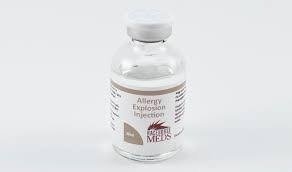
Allergy Explosion 30ml is a homeopathic formula to aid in the relief of allergies. Administer 10ml by intravenous injection or 5ml by subcutaneous as needed.
STORAGE: Store below 25C (air conditioning) and protect from light.
NEW AND IMPROVED FORMULA!
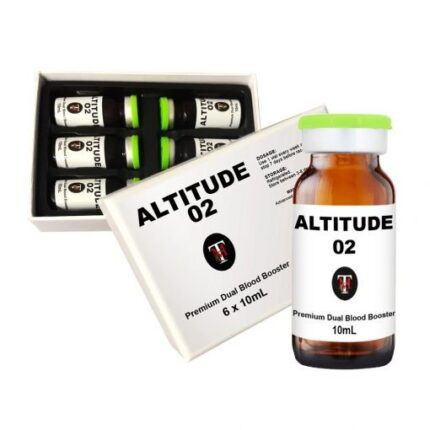
Blood Building Explosion is used for rapidly increasing RBC & Hemoglobin in Racehorses & Camels.
Blood Building Explosion is an erythropoiesis-stimulating agent (ESA) that has been tested in clinical trials for the treatment of anemia associated with chronic renal failure (CRF). These trials are evaluating the ability of this peptide to anemia by raising and maintaining hemoglobin (Hgb) levels within a target of 10-12 or 11-12 g/dl, depending on the
Actions: Increases red blood cells and Hgb.
Indications: Horses with a low blood count or anemia.
For: Horses and Camels
Dosage and Administration:
Adult Horses: Administer 20 ml by SLOW intravenous injection for five consecutive days up to 2 days prior to event – preferably start using 7 days prior to the event for 5 consecutive days.
Storage: Store below 25C (Air Conditioning). Protect from light. Use the contents of the vial within 3 months of initial puncture of bottle and discard any unused portion.
CAUTION: DO NOT USE ANY OTHER IRON SUPPLEMENTS DURING THIS TREATMENT.
























Reviews
There are no reviews yet.