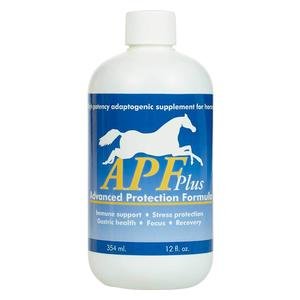
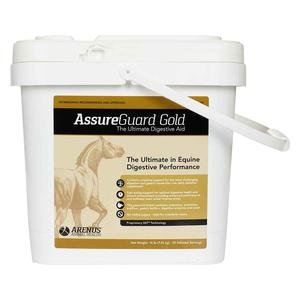
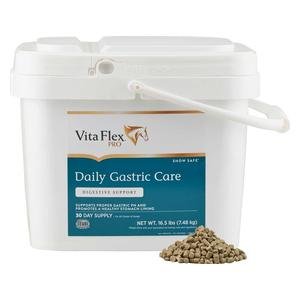
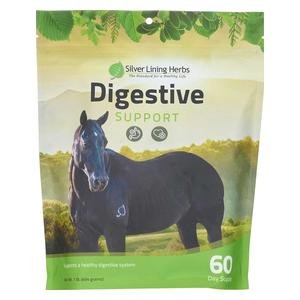
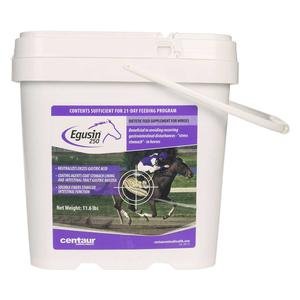
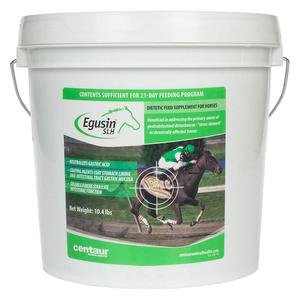
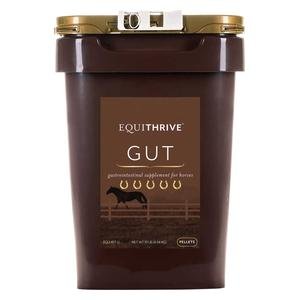
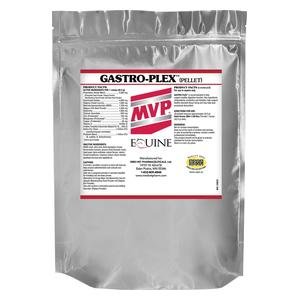
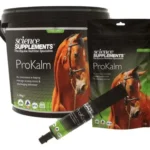
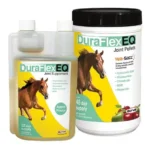
Equine Ulcer Treatment – Advanced Gastric Health Support for Horses
Effective Relief for Equine Gastric Ulcers
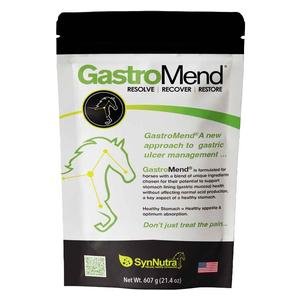
Equine Ulcer Treatment is designed to support horses suffering from gastric ulcers, digestive discomfort, and stomach lining irritation. These treatments help protect the gastric mucosa, reduce acid production, and promote natural healing of the digestive tract.
Why Equine Ulcer Treatment is Important
Horses are highly prone to ulcers due to stress, training intensity, diet changes, and performance demands. Equine Ulcer Treatment plays a vital role in restoring digestive balance, improving feed efficiency, and enhancing overall comfort and performance.
Supporting Long-Term Digestive Health
With proper Equine Ulcer Treatment, horses can recover from gastric irritation while maintaining better appetite, weight stability, and energy levels. These solutions are often used as part of a comprehensive veterinary-guided digestive care plan to ensure long-term gut health and performance optimization.
Equine Ulcer Treatment – Complete Digestive Healing & Gastric Protection Solution
Understanding Equine Ulcer Treatment
Equine Ulcer Treatment refers to veterinary-supported therapies and
supplements designed to manage and heal gastric ulcers in horses. Gastric ulcers are a common condition in
performance horses, caused by prolonged stress, high-grain diets, intense training schedules, and irregular feeding patterns.These ulcers affect the lining of the stomach, leading to discomfort, reduced
performance, poor appetite, weight loss, and behavioral changes.
Equine Ulcer Treatment focuses on reducing stomach acid, protecting the gastric lining, and promoting long-term digestive healing.
Causes of Gastric Ulcers in Horses
Stress and Performance Pressure
High-performance horses often experience stress from travel, competition, and training intensity, which contributes to ulcer development.
Diet and Feeding Patterns
Irregular feeding schedules, low forage intake, and high-grain diets increase stomach acid exposure.
Prolonged Stall Confinement
Limited grazing time reduces natural saliva production, which normally helps neutralize stomach acid.
Importance of Treating Equine Ulcers Early
Preventing Chronic Pain
Untreated ulcers can lead to long-term discomfort and reduced quality of life.
Improving Performance
Healthy digestion directly impacts energy levels, stamina, and athletic performance.
Supporting Weight Maintenance
Horses with ulcers often lose weight due to poor nutrient absorption and reduced appetite.
Key Benefits of Equine Ulcer Treatment
Gastric Acid Control
Treatment helps reduce excessive acid production in the stomach.
Stomach Lining Protection
Protects and repairs damaged gastric tissue for faster healing.
Improved Appetite and Digestion
Horses regain normal feeding behavior and improved nutrient absorption.
Enhanced Performance and Recovery
Healthy digestion leads to better stamina, focus, and physical
performance.
Types of Equine Ulcer Treatment
Acid Suppressants
Reduce gastric acid production and relieve irritation.
Gastric Coating Agents
Form a protective barrier over the stomach lining.
Digestive Support Supplements
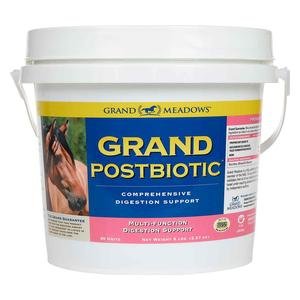
Promote healthy gut flora and improved digestion.
Nutritional Management Products
Support balanced feeding routines and reduce ulcer risk.
How Equine Ulcer Treatment Works
Step 1: Acid Reduction
Medications or supplements reduce excess stomach acid levels.
Step 2: Mucosal Protection
Protective agents coat the stomach lining to prevent further damage.
Step 3: Healing and Regeneration
The gastric tissue begins to repair naturally over time.
Step 4: Digestive Balance Restoration
Long-term support ensures stable digestion and reduced recurrence risk.
Management and Prevention Strategies
Consistent Feeding Schedule
Frequent small meals help reduce acid buildup in the stomach.
High-Forage Diet
Increased hay intake helps buffer stomach acid naturally.
Stress Reduction
Minimizing travel stress and ensuring proper rest improves gut health.
Veterinary Monitoring
Regular check-ups ensure early detection and effective management.
Frequently Asked Questions
What are signs of ulcers in horses?
Symptoms include poor appetite, weight loss, irritability, and reduced performance.
How long does treatment take?
Recovery can take several weeks depending on severity.
Can ulcers return?
Yes, without proper management and diet control.
Is treatment safe for performance horses?
Yes, when administered under veterinary guidance.
Conclusion
Equine Ulcer Treatment is essential for maintaining optimal digestive health, performance, and overall wellbeing in horses. By reducing stomach acid, protecting the gastric lining, and supporting healing, these treatments help restore comfort and long-term gut balance.With proper management, diet control, and veterinary supervision, horses can fully recover from ulcers and maintain strong, consistent performance levels.