

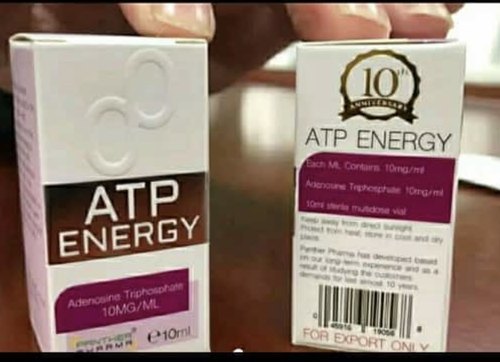
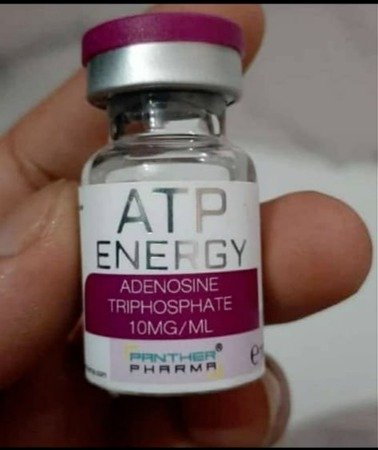
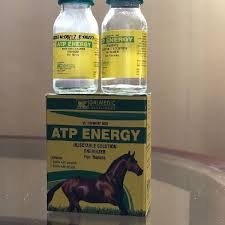
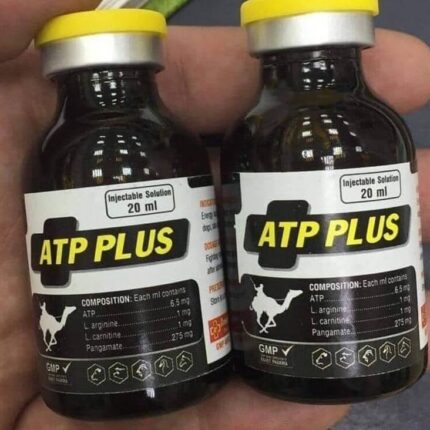
Buy ATP Energy Injection Online: Premium Purine Nucleotide for Advanced Veterinary Metabolic and Exhaustion Research
At Global Vets Care, we provide international laboratories, research institutes, and universities with pure, analytical-grade biochemical formulations to maintain uncompromising experimental controls. When looking to buy ATP Energy Injection online, researchers require an unadulterated, highly stable agent capable of delivering accurate data in advanced muscular physiology, cellular bioenergetics, and metabolic recovery models. Our research-grade ATP Energy Injection features a highly purified, sterile solution of Adenosine Triphosphate (ATP). Manufactured under strict, cGMP-compliant conditions, this specialized injectable compound serves as the universal reference standard for examining intracellular energy transformations, investigating anaerobic fatigue thresholds, and evaluating cellular recovery kinetics in camelid, canine, and equine cohorts.
Adenosine Triphosphate (ATP) is the vital chemical nucleotide that operates as the primary energy currency for all mammalian cellular systems. During periods of maximal physical exertion or acute tissue stress, skeletal muscle fibers consume their stored intracellular ATP pools at an exponential rate to drive actin-myosin cross-bridge contractions and maintain active membrane ion pumps. When energy demands outpace mitochondrial oxygen delivery, intracellular reserves plummet, leading to cellular exhaustion, localized lactic acid accumulation, and structural muscle cramping. Administering exogenous ATP via our highly bioavailable injectable matrix delivers an immediate, direct purine substrate pool. This extra supply bypasses the energy-intensive de novo purine synthesis pathway, allowing researchers to observe precise tissue recovery timelines and track cellular stabilization without background metabolic distortion.
Flawless Quality Controls, Global Logistics, and Delivery Compliance
Purchasing your research materials through Global Vets Care guarantees peerless chemical safety, comprehensive documentation, and streamlined international transit. Moving critical bioenergetic compounds across international boundaries into strict customs zones—including the United States, Canada, Europe, Mexico, and Australia—demands absolute regulatory precision and robust product protection.
HPLC-Verified Purity: Every batch of ATP Energy Injection is backed by a fully transparent Certificate of Analysis (COA), confirming a chemical purity profile exceeding 99% with zero synthetic contaminants.
Certified Sterility Baseline: The liquid matrix undergoes multi-stage sterile filtration and Limulus Amebocyte Lysate (LAL) testing, guaranteeing a pyrogen-free solution to protect test subjects from baseline immune interference.
Advanced Packaging Protections: Formulated to resist thermal degradation and secured in rugged, light-shielding, vacuum-sealed vials to protect the energetic nucleotide matrix against temperature fluctuations during cross-border transport.
Primary Mechanisms and Pathologies Under Active Investigation
ATP Energy Injection is widely utilized across advanced comparative veterinary science to explore the cellular mechanics of musculoskeletal disorders and metabolic exhaustion. Researchers rely heavily on this injectable matrix to evaluate therapeutic interventions for acute myositis (tying-up syndromes), exertional rhabdomyolysis, muscular atrophy, and nutritional myopathies. Additionally, it serves as an essential reference agent for studying physiological stress mitigation and vascular smooth muscle relaxation pathways during intensive exercise trials. Global Vets Care delivers the pristine, verified chemical baseline necessary to ensure your research team can generate reproducible, publication-ready science.
Introduction to Bioenergetics and Purinergic signaling in Veterinary Models
The ongoing development of veterinary sports medicine, livestock health tracking, and comparative cellular physiology highlights the critical role of purinergic signaling in managing muscular exertion, cellular fatigue, and systemic recovery. For decades, traditional veterinary conditioning and recovery paradigms focused primarily on post-exercise rest, basic electrolyte rebalancing, and non-specific vitamin supplementation to address physical exhaustion and localized tissue depletion. While these methods assist with baseline comfort, they do not directly interface with the intracellular energetic cascades that dictate performance potential and skeletal muscle recovery kinetics at a molecular level.
Consequently, contemporary veterinary research in 2026 centers on direct metabolic intermediaries—specifically energy-carrying nucleotides like Adenosine Triphosphate (ATP). As a natural component of mammalian cellular biochemistry, ATP operates as the primary link in biological energy transformations, driving everything from mechanical muscle contractions to active transport ion pumps. When evaluating these complex metabolic pathways in elite animal models (such as racing equines, working canines, or camelids), research institutions demand absolute control over drug delivery parameters. Delivering oral energetic precursors introduces a massive array of experimental variables, including gastrointestinal breakdown, variable gut microbiome absorption, and unpredictable hepatic elimination.
Utilizing a highly refined, sterile formulation like ATP Energy Injection effectively eliminates these obstacles. By introducing the energetic nucleotide directly into systemic circulation via a controlled intramuscular or slow intravenous pathway, researchers achieve exceptional tissue bioavailability and highly linear, predictable pharmacokinetic curves. Global Vets Care proudly provides this elite, research-grade ATP formulation to support next-generation veterinary trials across the United States, Canada, Europe, Mexico, and Australia, providing laboratories with the immaculate baseline required to unlock true physiological insights.
Chemical Composition, Molecular Kinetics, and Thermodynamic Mechanics
To fully interpret the therapeutic and metabolic impacts of ATP Energy Injection within veterinary subjects, researchers must look closely at its physical chemistry and underlying molecular composition. Adenosine Triphosphate possesses the molecular formula:
Structurally, the ATP molecule consists of an adenine purine ring linked to a five-carbon ribose sugar molecule, which is bound to a chain of three distinct phosphate groups. The covalent bonds linking these phosphate groups—specifically the phosphoanhydride bonds—are classified as high-energy bonds due to the intense electrostatic repulsion between the negatively charged oxygen atoms.
[Adenine Purine Ring] ─── [Ribose Sugar] ─── [α-Phosphate] ~ [β-Phosphate] ~ [γ-Phosphate]
                                                                             │
                                                                             ▼ (Hydrolysis via ATPase)
                                                                    [Releases ~30.5 kJ/mol]
The Thermodynamics of Phosphate Hydrolysis
When a cell requires energy to perform mechanical work or maintain cellular homeostasis, the enzyme adenosine triphosphatase (ATPase) catalyzes the cleavage of the terminal ($\gamma$) phosphate bond. This enzymatic hydrolysis reaction converts ATP into Adenosine Diphosphate (ADP) and an inorganic phosphate ion ($P_i$), instantly releasing approximately $30.5\text{ kJ/mol}$ of free energy under standard physiological conditions:
During intense anaerobic exertion, the intracellular consumption of ATP vastly outpaces mitochondrial respiration rates. This causes a sudden drop in the ATP-to-ADP ratio, stalling calcium reabsorption in the sarcoplasmic reticulum and locking muscle fibers into a state of metabolic fatigue, contracture, or cramping.
Introducing exogenous ATP via ATP Energy Injection provides an immediate, highly accessible substrate pool. Skeletal tissues can rapidly utilize this extra supply to regenerate active ATP from spent ADP via salvage and phosphorylation pathways, bypassing the energy-intensive process of de novo purine synthesis to accelerate muscle recovery.
Vascular Modulation and Endothelial Signaling Dynamics
Beyond its structural role inside the cell, extracellular ATP acts as a powerful signaling molecule within the vasculature. When introduced into systemic circulation, ATP interacts with specialized purinergic $P2$ receptors (specifically $P2Y$ and $P2X$ subtypes) located on the surface of vascular endothelial cells. This binding initiates an immediate relaxation of the surrounding vascular smooth muscle, causing profound vasodilation. This rapid widening of the blood vessels significantly reduces peripheral resistance, increases blood flow, and accelerates the delivery of oxygen and glucose to oxygen-depleted muscle fibers while speeding up the clearance of acidic waste products like lactic acid.
Deep-Dive In Vitro and In Vivo Musculoskeletal Veterinary Research
ATP Energy Injection is utilized as a vital reference standard in equine sports physiology, companion animal medicine, and livestock research, where scientists evaluate its protective capacity across several critical conditions:
1. Alleviation of Exertional Myositis and Azoturia (Tying-Up)
In elite performance animals like racing horses, greyhounds, or camels, sudden bursts of maximal speed can trigger exertional rhabdomyolysis, commonly known as “tying-up” or azoturia. This metabolic crisis causes severe muscle pain, cramping, and cellular leakage due to a profound energy failure within the skeletal muscle cells.
Studies investigating ATP Energy administration focus on its ability to rapidly stabilize cellular energy balances. By accelerating the replenishment of intracellular ATP, the compound helps restore proper calcium ion regulation within the sarcoplasmic reticulum, easing muscle cramps and minimizing downstream muscle cell breakdown.
[Anaerobic Muscle Over-Exertion] ──► [Intracellular ATP Depletion] ──► [Calcium Pump Failure & Cramping]
                                                                                   │
   ┌───────────────────────────────────────────────────────────────────────────────┘
   ▼
[ATP Energy Injection] ──► [Purine Substrate Supply] ──► [ADP Re-Phosphorylation] ──► [Muscle Relaxation]
2. Lactic Acid Clearance and Tissue pH Kinetics
During prolonged anaerobic exertion, muscle cells generate energy via anaerobic glycolysis, leading to a rapid accumulation of lactic acid and hydrogen ions within the tissue. This accumulation causes a significant drop in intracellular pH, which interferes with enzyme function, disrupts calcium binding, and accelerates muscle fatigue.
Studies exploring ATP Energy administration focus on its powerful vasodilatory effects. By expanding localized capillary networks, ATP enhances microcirculation throughout the working muscles, speeding up the removal of acidic metabolic byproducts and bringing in natural bicarbonate buffers to restore normal pH balance.
3. Protection Against Nutritional Muscular Dystrophy and Wasting Syndromes
Nutritional muscular dystrophy (white muscle disease) and progressive muscle wasting (myatrophy) are devastating degenerative conditions that trigger widespread calcification and necrosis of skeletal and cardiac muscle fibers, causing severe weakness and structural failure.
Researchers use ATP Energy Injection to study the cellular mechanics of muscle tissue repair. By delivering direct ATP substrates, the formulation helps provide the immediate energy needed to drive protein synthesis, allowing damaged muscle fibers to rebuild, maintain membrane integrity, and recover structural strength.
Secondary Research Horizons: Cardiovascular and Vascular Perfusion
Beyond its extensive applications in skeletal muscle tracking, ATP Energy Injection provides valuable insights for laboratories exploring cardiovascular and vascular regulatory pathways.
Pulmonary Vascular Resistance Studies
In elite racing horses, the immense pressure generated by the heart during full exertion can cause fluid leakage in the lungs, a severe condition known as Exercise-Induced Pulmonary Hemorrhage (EIPH). This bleeding is driven by high pressure within the pulmonary capillaries.
Researchers use the vasodilatory properties of ATP to investigate methods for lowering this dangerous capillary pressure. By relaxing pulmonary blood vessels and reducing overall resistance, ATP helps scientists evaluate strategies to protect delicate lung tissues from pressure-induced damage during peak performance.
Negative Chronotropic and Dromotropic Evaluation
In veterinary cardiology models, extracellular ATP is evaluated for its unique effects on cardiac pacing and electrical conduction. When administered via rapid intravenous infusion, ATP suppresses cardiac pacemaker automaticity and slows atrioventricular (AV) nodal conduction. This effect is driven partly by a cardio-cardiac vagal reflex and partly by its rapid breakdown into adenosine. Laboratories rely on these precise interactions to map out cardiac arrhythmias and evaluate advanced diagnostic models for sinus node dysfunction.
International Supply Pipeline, Compliance, and Purity Protections
Operating a secure global network for sterile veterinary injectables requires strict adherence to international cGMP manufacturing standards, detailed chemical testing, and rigid border biosecurity compliance. Global Vets Care ensures its entire logistical infrastructure is completely optimized to clear the strict customs regulations of the United States, Canada, Europe, Mexico, and Australia.
Because ATP Energy Injection interfaces directly with sensitive vascular networks, deep muscle tissues, and vital metabolic pathways, any underlying product contamination can completely alter your research data. For example, if a batch contains residual bacterial endotoxins from manufacturing, injecting the solution into an animal subject will trigger an unintended immune cascade, shifting baseline cytokine profiles and skewing metabolic trial results.
Global Vets Care removes these experimental risks through a rigorous quality control framework:
High-Performance Liquid Chromatography (HPLC): Every production run is verified to guarantee a chemical purity profile exceeding 99%, confirming the precise concentration of active nucleotides.
Gas Chromatography-Mass Spectrometry (GC-MS): Validates the absolute removal of all residual manufacturing solvents, ensuring clean tissue compatibility and non-toxicity.
Limulus Amebocyte Lysate (LAL) Testing: Every single vial is certified pyrogen-free and confirmed to sit safely below established international thresholds, providing a perfectly clean baseline for sensitive animal models.
To preserve these molecular properties during global transit, our products are shipped in heavy-duty, light-shielding, temperature-stabilized packaging, protecting the liquid matrix from thermal breakdown or crystallization while passing through international customs clearing centers.
Comparative Overview of Bioenergetic Nucleotide Delivery Formats
When designing a robust, multi-week animal research trial, selecting the ideal pharmaceutical delivery path is critical for ensuring data reproducibility and minimizing animal stress variables.
| Product Formulation Format | Speed of Systemic Onset | Direct Cellular Bioavailability | Primary Biological Action | Primary Experimental Variable |
| Oral Energy Pastes / Pellets | Delayed and highly erratic | Extremely Low ($<5\%$) | Weight gain and baseline caloric support | Highly variable absorption due to individual ruminal and monogastric digestion timelines. |
| Standard AMP Injectable | Steady absorption curve | Indirect (Requires Synthesis) | Vascular dilation and microvascular perfusion | Acts primarily as a vascular modifier; requires extra processing steps to rebuild into active ATP. |
| ATP Energy Injection | Rapid and highly predictable | Immediate and Direct ($100\%$) | Direct cellular energy delivery, tissue repair, and vasodilation | Demands precise injection site rotation and strict aseptic laboratory handling. |
By maintaining an exceptionally stable, linear absorption profile and delivering direct nucleotide energy to the target tissues, ATP Energy Injection minimizes background noise in your research models. This consistency provides your team with a clean, reliable framework for tracking real-time muscle recovery and calculating precise bioenergetic clearance metrics.
Global Vets Care is honored to serve as a premier supplier to the international research community. By combining flawless molecular purity, clear analytical documentation, and a highly dependable global logistics network, we give your laboratory the foundation needed to drive next-generation scientific discoveries.
What is ATP INJECTION?
(Adenosine Triphosphate) is utilized in the Kreb’s Cycle – which physiologically is one of the key providers of energy to muscle and other cells, especially during strenuous endurance work. In the process of phosphorilization, a phosphate molecule is given up thereby providing energy in completion of the Kreb’s Cycle.
Dosage and Administration: Administer 5-10ml by intramuscular (I.M.) injection 2-4 hours prior to an event to delay fatigue. You can also therapeutically treat overly fatigued horses, post-race, with the same dosage as well as horses exhibiting shock symptoms due to toxemia.
Why use ATP injection?
The use of ATP INJECTION increases the amount of available molecules this delaying fatigue and allowing quicker replenishment of ATP INJECTION from “spent” ADP. A horse’s performance is dependent on a number of factors including health, nutrition and environmental temperature. Energy is defined as the capacity to do work. The amount of energy available for muscular work is the most important factor in a horse’s performance. Athletic performance requires the efficient utilization of extreme amounts of energy transformed by metabolic pathways from chemical to kinetic energy for muscle contraction. This kinetic energy is in the form of adenosine triphosphate… or ATP. The muscles are capable of storing limited amounts of ATP for muscle contraction, but all athletic events need a constant flow of this energy source. The way the horse creates more ATP is through the metabolism of fuel stores in the body. There are three main fuel sources utilized for the production of ATP in all athletes, including the horse. These include:
Carbohydrates Fats Proteins Carbohydrates are stored mainly in the muscles and liver as glycogen. Glucose is also present in the blood, and it contributes energy during initial exercise. Through a process called glycogenolysis, muscle and liver glycogen is broken down to produce ATP.
Fats are stored in the muscle and in adipose tissue as a complex called a triglyceride, which is made up of three fatty acids and one glycerol molecule. Lypolysis is the metabolic action of breaking the triglyceride into its smaller parts (three fatty acids + one glycerol) for roduction.
ATP injection
Proteins are the building blocks of the muscle structure. They are made up of amino acids linked together by different bonds. Overall, proteins contribute very little to the production of for work. Equine athletes are dependent on the production of o run, jump or pull. However, production is dependent on the muscle’s ability to utilize fuel stores in the body, which is dependent on oxygen
































Reviews
There are no reviews yet.