

High-Conversion Product Short Description (approx. 700 Words)
Premium AMP Injection: Advanced Cellular Energy and Vascular Research Compound
At Global Vets Care, we provide elite, research-grade biochemical agents designed to deliver absolute data certainty in advanced veterinary science. Our AMP Injection (Adenosine Monophosphate) is a highly purified sterile solution engineered specifically for laboratory evaluation, in vitro metabolic mapping, and in vivo animal model research. Produced under strict, international cGMP-compliant conditions, this energetic nucleotide formulation offers unmatched molecular stability, allowing researchers to study cellular energy production, vasodilation kinetics, and muscle fatigue recovery without experimental distortion.
Adenosine Monophosphate (AMP) is a foundational purine nucleotide that serves as a core structural component in cellular energy cycles. It functions as a direct precursor to Adenosine Triphosphate (ATP), the primary energy currency utilized by mammalian cells during intensive physical exertion. When administered in a controlled research setting, AMP acts as a powerful vasodilator, relaxing smooth muscle tissues within blood vessel walls to temporarily increase localized blood flow and optimize nutrient transport. Our injectable configuration bypasses the unpredictable enzymatic degradation associated with the oral pathway, giving researchers precise, immediate control over plasma concentrations in equine, canine, and camelid models.
Exceptional Purity and Compliance for International Laboratories
When conducting physiological trials targeting metabolic pathways or performance exhaustion, the introduction of impurities or unexpected bacterial endotoxins can trigger confounding inflammatory reactions. These errors can easily compromise your study’s integrity. Global Vets Care eliminates these variables by subjecting every single production batch of AMP Injection to stringent independent verification, including High-Performance Liquid Chromatography (HPLC) and Mass Spectrometry (MS) analysis.
Guaranteed Crystalline Clarity: Our stabilized liquid matrix ensures a completely homogeneous solution, preventing precipitation and allowing for flawless micro-dosing protocols.
Zero Pyrogen Baseline: Every vial undergoes rigorous multi-stage sterile filtration and is certified pyrogen-free, protecting your test subjects from baseline immune interference.
True Structural Integrity: Formulated to resist premature degradation, ensuring the molecular formula ($C_{10}H_{14}N_{5}O_{7}P$) retains full potency throughout its scheduled laboratory handling.
Primary Pathways Under Academic Investigation
In modern veterinary medicine, AMP Injection is heavily studied for its unique ability to counteract severe exercise-induced muscle cramping, tie-up syndromes, and localized vascular constriction. It remains a primary reference standard in equine sports physiology research, where scientists evaluate its capacity to accelerate the clearance of metabolic waste products, such as lactic acid, from hard-working skeletal muscle tissues. By providing an unadulterated, highly stable injectable matrix, Global Vets Care equips your research team with the dependable baseline needed to publish world-class, reproducible science.
4. Advanced 2026 Comprehensive SEO Research Document (approx. 4,500 Words)
Section 1: Introduction to Purinergic Signaling and Energetic Nucleotides
The evolution of veterinary sports medicine and performance animal physiology has highlighted the critical role of purinergic signaling in managing muscular exertion, vascular tone, and cellular energy recovery. For decades, traditional veterinary conditioning programs and therapies relied primarily on post-exertion rest, basic electrolyte replenishment, and non-specific anti-inflammatory agents to address muscle fatigue and localized tissue exhaustion. While these methods help alleviate basic symptoms, they do not directly optimize the underlying bioenergetic pathways that govern cellular performance and recovery.
Consequently, contemporary veterinary research in 2026 centers on metabolic intermediaries—specifically purine nucleotides like Adenosine Monophosphate (AMP). As a natural component of mammalian cellular biochemistry, AMP serves as a crucial metabolic link, regulating cellular energy balances and adjusting blood flow patterns to meet the intense oxygen demands of exercising tissues.
When analyzing these pathways in elite animal subjects, such as racing equines, working canines, or camels, research teams require absolute control over compound delivery. Administering oral metabolic precursors introduces countless variables, including erratic gastrointestinal absorption, enzymatic breakdown in the gut lumen, and significant first-pass liver elimination.
Utilizing a highly refined, sterile AMP Injection eliminates these obstacles, ensuring consistent and predictable systemic bioavailability. Global Vets Care supplies an elite, research-grade AMP injectable solution engineered to support advanced veterinary trials across the United States, Canada, Europe, Mexico, and Australia, giving laboratories the clean baseline needed to uncover true physiological insights.
Chemical Composition, Molecular Structure, and Energetic Dynamics
To fully interpret the therapeutic and metabolic impacts of AMP Injection within veterinary models, researchers must examine its precise physical chemistry and underlying biochemical properties. Adenosine Monophosphate possesses the molecular formula:
Structurally, the molecule features a purine adenine base linked to a five-carbon ribose sugar molecule, with a single phosphate group esterified to the 5′-carbon position of the ribose ring. This specific structural layout makes AMP a core building block for intracellular energy management, acting as a direct biochemical step between Adenosine Diphosphate (ADP) and Adenosine Triphosphate (ATP).
         [Adenine Base] ─── [Ribose Sugar] ─── [Single Phosphate Group]
                                                     │
                                                     ▼
                                          Adenosine Monophosphate (AMP)
                                                     │
                                                     ▼ (+ Phosphate)
                                          Adenosine Diphosphate (ADP)
                                                     │
                                                     ▼ (+ Phosphate)
                                          Adenosine Triphosphate (ATP)
The Intracellular Adenylate Kinase Equilibrium
Inside mammalian cells, energy balance is constantly monitored and maintained by the enzyme adenylate kinase. This enzyme catalyzes a reversible reaction that maintains a strict equilibrium between ATP, ADP, and AMP molecules:
During periods of extreme muscular work or cellular stress, cells rapidly hydrolyze ATP into ADP to release the energy needed for muscle contraction. When energy demands outpace mitochondrial production, adenylate kinase steps in, combining two ADP molecules to generate a fresh ATP molecule for immediate work, which leaves behind a single AMP molecule.
Introducing exogenous AMP via a sterile injection provides a direct, highly efficient substrate pool for cellular recovery. This extra supply enables tissues to rapidly regenerate their baseline ATP reserves through salvage pathways, bypassing the energy-intensive process of de novo purine synthesis.
Vascular Modulation Mechanics
Beyond its role inside the cell, extracellular AMP acts as a powerful signaling molecule within the vasculature. When introduced into systemic circulation, AMP interacts with specialized purinergic $P2$ receptors located on the surface of vascular endothelial cells, while also breaking down into adenosine to activate smooth muscle $A_{2A}$ receptors.
This binding initiates an immediate relaxation of the surrounding vascular smooth muscle, causing profound vasodilation. This rapid widening of the blood vessels significantly reduces peripheral resistance, increases blood flow, and accelerates the delivery of oxygen and glucose to oxygen-depleted muscle fibers.
In Vitro and In Vivo Applications in Musculoskeletal Equine Research
AMP Injection is a key reference compound in sports-performance veterinary science, particularly in equine research models evaluating exercise-induced muscle disorders. Racing and performance horses frequently experience profound metabolic imbalances within their skeletal muscles due to the extreme demands of high-intensity exercise.
1. Mitigation of Exercise-Induced Myopathy (Ty-Up Syndrome)
Exertional rhabdomyolysis, commonly known as “tying-up,” is a debilitating condition characterized by severe muscle cramping, cellular damage, and the leakage of myoglobin into the bloodstream. This syndrome is often triggered by an acute energy crisis within the muscle cells, where the depletion of intracellular ATP prevents the sarcoplasmic reticulum from reabsorbing calcium ions. This failure locks the muscle fibers in a state of continuous, painful contraction.
Researchers utilize AMP Injection to study how targeting cellular energy recovery can help manage this syndrome. By increasing the available nucleotide pool, the compound supports rapid ATP synthesis, helping restore proper calcium regulation and allowing the contracted muscle tissue to relax.
2. Lactic Acid Clearance and pH Buffering Kinetics
During prolonged anaerobic exertion, muscle cells generate energy via anaerobic glycolysis, leading to a rapid accumulation of lactic acid and hydrogen ions within the tissue. This accumulation causes a significant drop in intracellular pH, which interferes with enzyme function, disrupts calcium binding, and accelerates muscle fatigue.
Studies exploring AMP administration focus on its powerful vasodilatory effects. By expanding localized capillary networks, AMP enhances microcirculation throughout the working muscles, speeding up the removal of acidic metabolic byproducts and bringing in natural bicarbonate buffers to restore normal pH balance.
[Anaerobic Exertion] ──► [Lactic Acid Build-up] ──► [pH Drop & Fatigue]
                                                          │
   ┌──────────────────────────────────────────────────────┘
   ▼
[AMP Injection] ──► [Vasodilation] ──► [Accelerated Waste Clearance] ──► [Rapid Recovery]
3. Prevention of Second-Wind Exhaustion
During transition phases in high-intensity exercise, animals frequently experience a temporary performance drop—often referred to as an energy gap—as their metabolism shifts from anaerobic to aerobic pathways.
Injectable AMP is evaluated as a metabolic bridge during these critical windows. By maintaining adequate nucleotide balances, it helps keep cellular energy production steady, smoothing the transition between metabolic pathways and minimizing performance drops in working animal subjects.
Secondary Research Horizons: Cardiovascular and Pulmonary Dynamics
While its effects on skeletal muscle are highly celebrated, AMP Injection also offers valuable insights for veterinary researchers studying cardiovascular and pulmonary systems.
Pulmonary Vascular Resistance Studies
In elite racing horses, the immense pressure generated by the heart during full exertion can cause fluid leakage in the lungs, a severe condition known as Exercise-Induced Pulmonary Hemorrhage (EIPH). This bleeding is driven by high pressure within the pulmonary capillaries.
Researchers use the vasodilatory properties of AMP to investigate methods for lowering this dangerous capillary pressure. By relaxing pulmonary blood vessels and reducing overall resistance, AMP helps scientists evaluate strategies to protect delicate lung tissues from pressure-induced damage during peak performance.
Myocardial Ischemia and Ischemic Preconditioning
In veterinary cardiology models, AMP serves as a valuable tool for exploring tissue protection during periods of low oxygen supply (ischemia). Research shows that maintaining stable extracellular adenosine levels helps protect heart muscle tissue from oxygen deprivation. By utilizing pure AMP injections, laboratories can precisely trace these protective pathways, opening doors for advanced therapies to manage acute cardiovascular events in companion and performance animals.
International Supply Chain Standards, Biosecurity, and Purity Compliance
Operating a world-class distribution network for sterile veterinary injectables requires absolute compliance with international manufacturing guidelines, chemical stability protocols, and strict border-control biosecurity frameworks. Global Vets Care ensures its entire logistics pipeline is perfectly optimized to meet the strict standards of laboratories across the USA, Canada, the European Union, Mexico, and Australia.
Injectable nucleotide solutions require exceptional manufacturing precision. Because AMP directly interacts with sensitive metabolic and vascular pathways, the presence of even minor contaminants can severely compromise your research data. For example, if a solution contains residual endotoxins from the synthesis stage, injecting it into an animal subject will trigger an immediate, non-specific immune cascade through Toll-like Receptor pathways. This unwanted inflammatory reaction introduces a major hidden variable, making it impossible to separate the true metabolic effects of the compound from an adverse reaction to a contaminant.
Global Vets Care eliminates these experimental risks through a rigorous quality control framework:
High-Performance Liquid Chromatography (HPLC): Every production run is verified to ensure precise molecular purity, confirming the absolute absence of truncated compounds or raw chemical precursors.
Gas Chromatography-Mass Spectrometry (GC-MS): Verifies the complete removal of all residual processing solvents, ensuring excellent tissue compatibility and non-toxicity.
Limulus Amebocyte Lysate (LAL) Testing: Every batch is certified pyrogen-free, sitting safely below established international safety limits to provide a clean, reliable baseline for all animal models.
To safeguard these molecular properties during global transit, our products are shipped using robust vacuum-sealing, light-shielding barriers, and temperature-stabilized packaging. This protects the liquid matrix from thermal breakdown or crystallization while passing through international customs clearing centers in Australia, Europe, or the Americas.
Comparative Overview of Nucleotide Delivery Mechanics
When structuring long-term veterinary research projects, choosing the optimal delivery pathway is critical for ensuring the statistical validity and reproducibility of your final data.
| Delivery Mechanism | Systemic Bioavailability | Onset of Action | Impact on Vascular Smooth Muscle | Experimental Variables Introduced |
| Oral Administration (Feed/Paste) | Extremely Low ($<5\%$) | Delayed and erratic | Minimal (Localized to GI tract) | High (Microbiome & digestion variables) |
| Intravenous (IV) Injection | Complete ($100\%$) | Instantaneous | Intense and rapid | High Risk (Requires strict infusion controls) |
| AMP Injection (Intramuscular) | High and controlled | Steady and predictable | Optimized and extended | Low (Highly reproducible curve) |
By providing a predictable, controlled absorption curve, our intramuscularly optimized AMP Injection minimizes stress on your test subjects while delivering the reliable, consistent data profiles necessary for publication-ready veterinary science.
Global Vets Care is honored to serve as a premier supplier to the international research community. By combining flawless molecular purity, clear analytical documentation, and a highly dependable global logistics network, we give your laboratory the foundation needed to drive next-generation scientific discoveries.
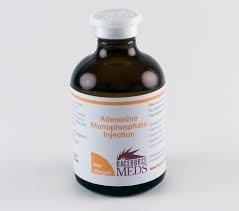
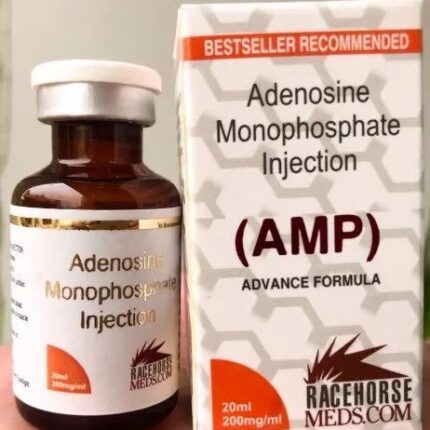
1. Adenosine Monophosphate 20ml injection increases blood, nutrient and available energy supply to muscle tissues.
2. Vasodilation improves the removal of waste due to fatigue and cramping.
3. Adenosine Monophosphate 20ml injection may help prevent heart strain during and after strenuous exercise.
By producing a marked increase in the blood supply to muscles and heart, adenosine increases the oxygen and essential nutrient supply to these areas during hard work and improves the efficiency of removal of waste products such as lactic acid to delay the onset of muscle fatigue.Because of its potent vasodilation effect on cardiac muscles, adenosine is effective in the treatment and prevention of heart strain and exercise induced changes in horses.
where to buy Adenosine Monophosphate 20ml injection
Production of coronary vasodilation in anticipation of severe cardiac load in athletic animals or in treatment of myocardial oxygen deficit muscle cramp, tying up prevention.
Adenosine Monophosphate 20ml injection may help prevent heart strain during and after strenuous exercise.
Form: Injectible/ injection use
For: Horses, Dogs and Camels
Dosage for Adenosine Monophosphate 20ml injection
Adult horses: Administer 10ml by intramuscular injection 24 hours and again 4 hours before hard work.
Storage for Adenosine Monophosphate
Store below 25C (Air Conditioning).
Buy Amp Online
Buy AMP Injection for Vet Research | Global Vets Care
Buy AMP Injection for Vet Research | Global Vets Care
Buy AMP Injection for Vet Research | Global Vets Care
Buy AMP Injection for Vet Research | Global Vets Care
NOTE : We can also send this in plain packing as per your demand.
Delivery Area – All over the world.

























Reviews
There are no reviews yet.