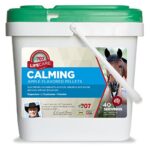
Calming
Professional Calming Products and Sedatives for Veterinary Management
In veterinary medicine, livestock handling, and advanced equine husbandry, managing acute anxiety and behavioral stress is a fundamental safety requirement. Animals are driven by strong instinctual survival mechanisms, meaning unfamiliar triggers—such as medical imaging, dental procedures, farrier adjustments, clipping, and long-distance transport—can induce sudden panic or dangerous resistance. Left unmanaged, severe stress spikes elevate heart rates, alter physiological baselines, and endanger the safety of both the animal and the handler.
At Global Vet Care, our advanced inventory of calming products and clinical sedatives offers a tiered approach to behavior management. From targeted, fast-acting prescription tranquilizers for invasive procedures to non-drowsy, competition-safe nutritional modifiers, we provide the exact tools needed to establish focus, maintain handler safety, and ensure clinical compliance.
Behavioral Dynamics: Choosing Between Sedatives and Supplements
Effective behavior management requires selecting the appropriate level of neurological intervention based on the specific situation. Standard stressors often respond well to simple nutritional adjustments, whereas heavy clinical or surgical operations require immediate, prescription-level sedation to ensure immobilization and pain control.
The Clinical Precision of Prescription Sedatives
For intense veterinary procedures, horse owners and veterinary professionals rely on fast-acting, reliable pharmaceutical agents. Zoetis Dormosedan (detomidine hydrochloride) stands as an industry gold standard, delivering predictable standing sedation and localized analgesia via intravenous injection or an easy-to-use sublingual gel. When extended, predictable behavior modification or pre-anesthetic tranquilization is necessary, Acepromazine Maleate (ACP) offers a trusted option that calms highly reactive or fractious animals by smoothly reducing central dopamine responses without causing deep hypnotic sleep.
Core Benefits of Professional Neurological Management
Protects Animal and Handler Safety: Eliminates dangerous flight-or-fight reactions during routine examinations, clipping, farrier work, or intensive emergency therapies.
Optimizes Training and Focused Learning: Reduces counter-productive spookiness, allowing performance horses to process commands and retain training without environmental distractions.
Eases Shipping and Relocation Stress: Stabilizes the central nervous system during transport, minimizing the risk of trailering injuries, muscle tying-up, and stress-induced colic.
Supports Safe Stall Rest and Rehabilitation: Calms high-energy competitive animals during long-term confinement, preventing explosive behavior that could reinjure healing tendons or bones.
Performance-Safe Behavioral Modifiers
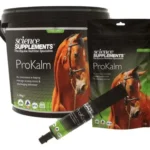
For competitive events where pharmaceutical sedatives are strictly prohibited by governing bodies, specialized non-drowsy supplements are necessary to take the edge off nervous animals. Comprehensive options like Science Supplements ProKalm provide rapid behavioral support within an hour of feeding, utilizing unique nutritional co-factors to manage anxiety smoothly. For long-term behavioral management, incorporating an innovative milk-protein supplement like Vetoquinol Zylkene helps naturalize stress responses and improves overall learning retention without reducing coordination or performance capacity.
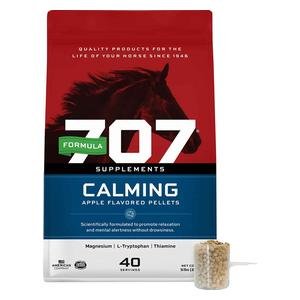
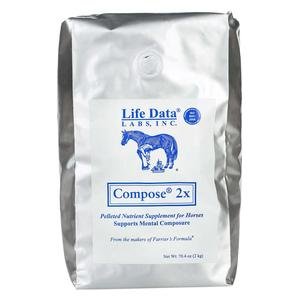
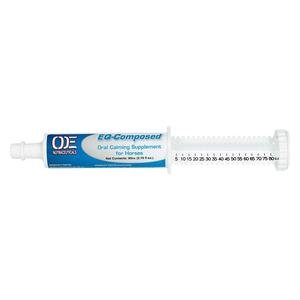
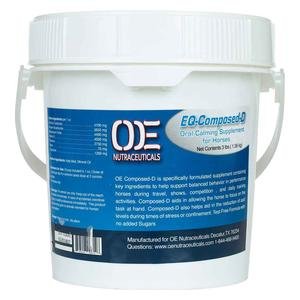
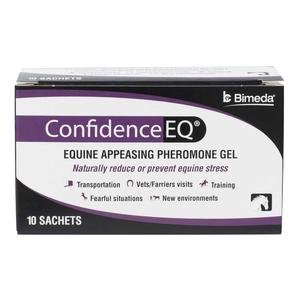
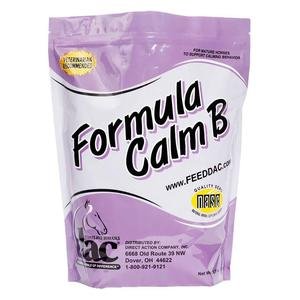
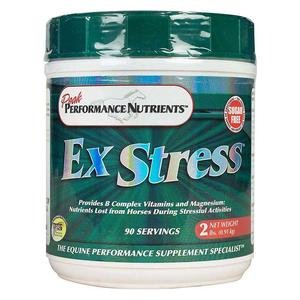
Ex-Stress
$69.00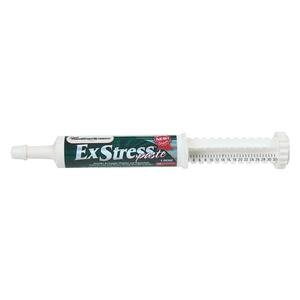
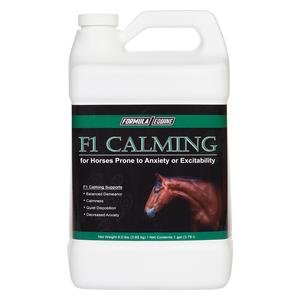
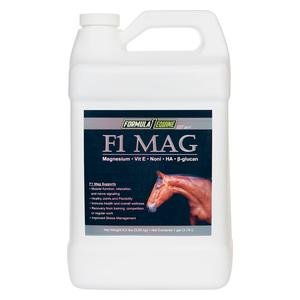
The Science of Stress and Neurotransmitter Regulation
To maximize the efficacy of behavior-modifying compounds, it helps to understand the underlying pathways of the mammalian central nervous system. When an animal perceives a threat, the hypothalamus triggers a massive release of adrenaline and cortisol, shifting blood flow to the major muscle groups and putting the brain on high alert. Reversing this intense state requires formulas that can either stimulate the brain's natural calming mechanisms or safely modulate specific hyper-active nerve pathways.
Neurological Mechanisms of Action: How They Work
Alpha-2 Adrenergic Agonists and Phenothiazines
Clinical sedatives operate by directly engaging the primary receptors that control alertness within the brain. Advanced alpha-2 adrenergic agonists, like the active compound in Dormosedan, bind to specific presynaptic receptors to inhibit the release of norepinephrine. This action slows down central nervous system activity, resulting in steady muscle relaxation, sedation, and a reduction in pain perception. Phenothiazines, such as Acepromazine, block central dopamine pathways, helping to suppress anxiety and quiet unpredictable emotional spikes while leaving the animal's natural coordination intact.
Gamma-Aminobutyric Acid (GABA) and Amino Acid Pathways
Natural calming supplements utilize the body's existing nutritional pathways to promote relaxation without sedation. Gamma-aminobutyric acid (GABA) serves as the primary calming neurotransmitter in the brain, functioning as a natural brake system for excessive nerve activity. Professional behavior support powders like Vetoquinol Zylkene utilize alpha-casozepine—a specialized, bio-active milk peptide that interacts with GABA receptors to ease anxiety cleanly, mimicking the natural sense of calm seen in nursing foals.
Additionally, combining pure L-tryptophan (the direct biological precursor to the mood-stabilizing neurotransmitter serotonin) with bioavailable magnesium creates a protective shield across cell walls. This essential mineral combination, found in premium blends like Science Supplements ProKalm, lowers cellular reactivity, prevents stress-induced muscle tremors, and helps maintain clear focus.
Frequently Asked Questions (FAQ)
Q1: What is the primary difference between a sedative like Dormosedan and a calming supplement? A clinical sedative like Zoetis Dormosedan is a fast-acting pharmaceutical compound that produces deep standing sedation, muscle relaxation, and pain relief. It physically alters an animal's level of consciousness and is required for invasive or painful procedures. A calming supplement, such as Vetoquinol Zylkene or Science Supplements ProKalm, uses natural peptides, amino acids, and minerals to reduce anxiety and improve focus without inducing drowsiness, making them perfectly safe for everyday riding, training, and competition.
Q2: How long does it take for Acepromazine to take effect, and how long does it last? When administered via oral gel or paste, Acepromazine Maleate typically begins working within 30 to 45 minutes, with full behavioral effects peaking around 1 to 2 hours post-administration. The calming effects generally last between 4 and 6 hours. For optimal results, it is best to administer the dose in a quiet, distraction-free environment before the animal encounters a known stress trigger.
Q3: Can I use ProKalm on competition days without violating drug regulations? Science Supplements ProKalm is specifically formulated using legal nutritional co-factors, herbal derivatives, and amino acids designed to be competition-safe. It is engineered to manage anxiety without using prohibited herbal sedatives, such as valerian root, which can trigger positive tests under strict doping rules. However, because competition guidelines can vary across jurisdictions and organizations, it is always best practice to review your specific association's current rulebook before competing.
Q4: How should Dormosedan Gel be applied for general handling or farrier visits? Dormosedan Gel must be administered sublingually, meaning it is placed directly underneath the animal's tongue for proper mucosal absorption. It is not meant to be swallowed, as standard ingestion through the digestive tract significantly reduces its effectiveness. For safety and optimal results, handlers should wear protective waterproof gloves during application, dose the animal roughly 40 minutes before the scheduled procedure, and leave the patient in a calm, dark stall while the sedation sets in.