Heart & Blood Pressure
Professional Heart and Blood Pressure Medications for Veterinary Care
In advanced veterinary medicine and small animal clinical care, managing cardiovascular health and systemic blood pressure is a fundamental requirement for extending life expectancy and quality of life. The mammalian circulatory system is a complex, high-pressure network that faces significant strain from age-related tissue degradation, congenital valve issues, or secondary metabolic diseases. When the heart muscle weakens or systemic blood vessels constrict abnormally, vital organs suffer from poor oxygenation, fluid begins to pool in bodily cavities, and systemic hypertension puts the animal at risk of sudden organ damage.
At Global Vet Care, our comprehensive selection of veterinary heart and blood pressure medications is scientifically chosen to regulate cardiac output, stabilize systemic vascular resistance, and manage congestive heart failure symptoms. By providing laboratory-verified, highly reliable pharmaceutical treatments, we assist veterinarians and pet owners in maintaining stable circulatory health and protecting vital organs from hypertensive stress.
Cardiovascular Dynamics: Restoring Circulatory Efficiency
When an animal experiences cardiac insufficiency or chronic high blood pressure, the heart must pump harder against narrow vessels to distribute oxygenated blood. This continuous strain triggers a dangerous feedback loop, causing the heart muscle walls to thicken abnormally while stretching the chambers out of shape. Unmanaged circulatory stress eventually leads to fluid backup in the lungs or abdomen, causing chronic coughing, exercise intolerance, and severe lethargy.
The Clinical Precision of Advanced Inotropes and ACE Inhibitors
To safely break the cycle of cardiovascular decline, therapeutic protocols require highly targeted pharmaceutical compounds. Prescribed options like Cardisure (Pimobendan) serve as a foundational treatment for canine congestive heart failure, acting as a balanced inodilator that increases the strength of heart contractions while relaxing constricted blood vessels. To smoothly lower high blood pressure and reduce the structural workload on a failing heart, angiotensin-converting enzyme (ACE) inhibitors such as Fortekor (Benazepril) or Enacard (Enalapril) provide vital daily management by blocking the hormones that cause blood vessel constriction and fluid retention.
Core Benefits of Professional Cardiovascular Management
Improves Cardiac Output and Contractility: Strengthens the physical pumping action of the heart muscle, ensuring a steady, rich supply of oxygen reaches peripheral tissues.
Lowers Systemic Hypertension Safely: Relaxes the smooth muscle walls of peripheral arteries, significantly reducing the risk of stroke or retinal damage caused by high blood pressure.
Reduces Congestive Fluid Retention: Works alongside standard therapies to prevent dangerous fluid accumulation in the lungs, alleviating chronic coughing and breathing distress.
Restores Baseline Energy and Stamina: Boosts general tissue oxygenation, allowing aging or recovering companion animals to enjoy daily walks and mild exercise without early exhaustion.
Long-Term Management of Cardiovascular Vitality
Sustaining stable circulatory function in aging animals requires an integrated routine that balances prescription medical therapies with daily metabolic cell support. Over time, failing cardiac tissues experience high levels of cellular stress and energy depletion. Incorporating advanced nutritional co-factors, such as a veterinary-grade Coenzyme Q10 (CoQ10) supplement, alongside a regular prescription regimen helps protect delicate heart cells from oxidative damage and fuels the mitochondria inside the heart muscle to support long-term stamina and operational stability.
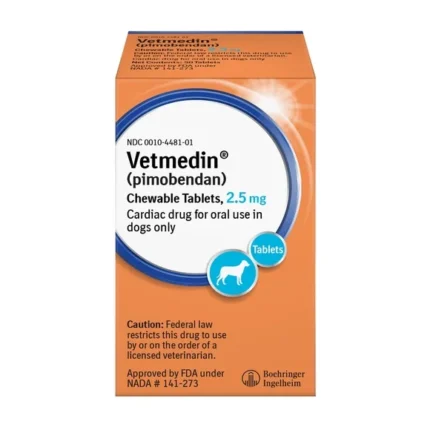
Vetmedin for Dogs
Original price was: $70.00.$60.00Current price is: $60.00.The Science of Hemodynamics and Myocardial Function
To maximize the therapeutic impact of advanced cardiovascular therapies, it is helpful to look at the complex biological pathways that govern the mammalian heart. The heart operates as a synchronized dual-pump system, relying on precise electrical signals and smooth pressure gradients to move blood safely through the body. Any presence of valvular leakage, structural narrowing, or chronic arterial resistance disrupts this balance, forcing the heart to work exponentially harder just to maintain basic cellular life.
The Biological Mechanism of Congestive Heart Failure and Hypertension
When an animal suffers from conditions like Myxomatous Mitral Valve Disease (MMVD) or Dilated Cardiomyopathy (DCM), the heart cannot pump its full volume of blood forward with each beat. The body's internal pressure sensors detect this drop in output and mistakenly trigger a survival mechanism called the Renin-Angiotensin-Aldosterone System (RAAS).
This hormonal cascade causes immediate narrowing of the blood vessels and forces the kidneys to retain large amounts of salt and water. While intended to boost blood pressure during blood loss, in a failing heart this response floods the system with fluid and increases vascular resistance, accelerating structural damage to the muscle fibers. Utilizing clinical heart medications early in the diagnostic cycle safely blocks this destructive hormonal feedback loop, protecting the heart structure and preserving organ health.
Synergistic Mechanisms: Inodilators vs. ACE Inhibitors
Modern veterinary medicine utilizes distinct classes of cardiovascular agents to address different points of circulatory stress, often combining them to create a comprehensive multi-layered treatment strategy:
Positive Inodilators
Positive inodilators represent a major breakthrough in managing active heart failure symptoms. Medications like Cardisure operate through a unique two-way action: they sensitize cardiac muscle cells to existing calcium ions, which strengthens the physical contraction force without consuming extra oxygen, while simultaneously dilating peripheral blood vessels. This immediate action makes it much easier for a weakened heart to pump blood forward out into the body, relieving fluid backup and drastically improving the animal's physical comfort.
ACE Inhibitors and Cellular Protection
ACE inhibitors focus directly on controlling the systemic vascular network and fluid volume. Trusted prescription options like Fortekor or Enacard work by blocking the specific enzyme responsible for creating the body's most potent vessel-constricting hormone. By cutting off this pathway, the blood vessels remain relaxed and open, which lowers systemic blood pressure and makes it easy for the heart to eject blood. Furthermore, reducing fluid retention protects delicate structures in the kidneys, making these medications an absolute necessity for managing long-term hypertensive conditions.
Frequently Asked Questions (FAQ)
Q1: How quickly can I expect to see improvements after starting an animal on Cardisure? The active mechanism of Cardisure begins working within hours of the very first dose, rapidly improving cardiac pumping strength and reducing blood vessel resistance. Many owners notice a visible decrease in coughing, an improvement in breathing comfort, and a return of playful energy within 48 to 72 hours. However, full stabilization of advanced heart failure parameters can take a few weeks of consistent daily dosing alongside your veterinarian's guidance.
Q2: Can Fortekor and Enacard be used interchangeably for high blood pressure? Both Fortekor and Enacard belong to the same class of ACE inhibitors and perform the same primary job of dilating blood vessels and managing blood pressure. However, they are processed differently by the body. Fortekor (Benazepril) is primarily excreted through the liver and bile pathways, making it the preferred, safer choice for animals that have concurrent kidney insufficiency. Always follow the specific prescription plan outlined by your animal's veterinarian.
Q3: Is it safe to give an animal a Coenzyme Q10 supplement alongside prescription heart medications? Yes, a high-quality Coenzyme Q10 (CoQ10) supplement is highly safe and frequently recommended as a supportive therapy alongside prescription items like Cardisure or Fortekor. While prescription medications change blood vessel pressure and contraction strength, CoQ10 works purely at the cellular level to optimize energy production inside the heart muscle cells and provide antioxidant protection. Always discuss adding new supplements with your veterinarian to ensure ideal dosage timing.
Q4: What are the main signs that an animal's heart or blood pressure medication needs adjusting? Early warning indicators that an animal's cardiovascular condition is shifting or requires a medical adjustment include a return of a soft, frequent cough (especially at night or during rest), a sudden reluctance to walk or climb stairs, unexplained weakness or fainting spells, heavy or fast resting breathing rates (over 30 breaths per minute while sleeping), and a loss of appetite. Routine veterinary monitoring is key to keeping these life-saving parameters balanced.